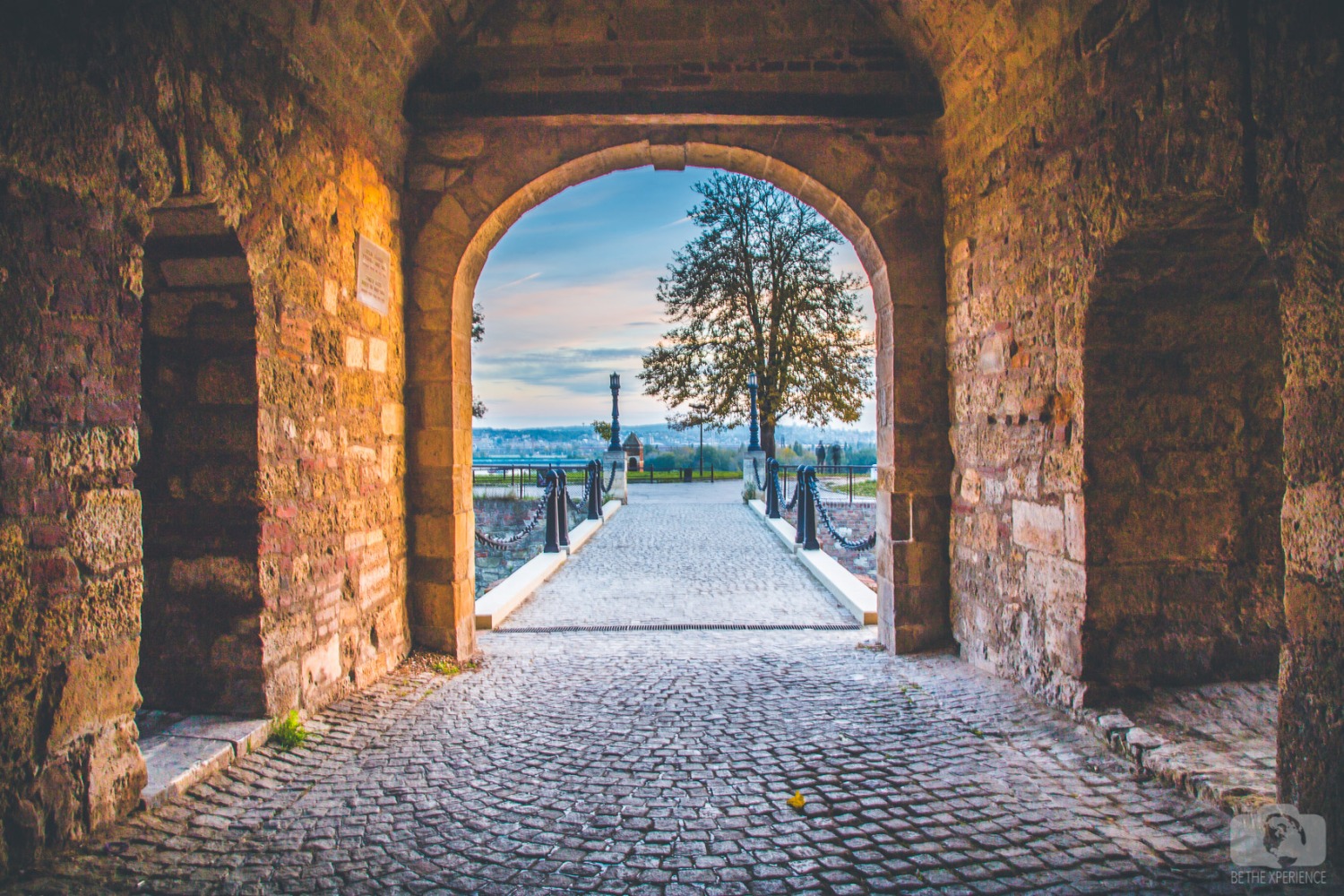
The history of Serbia reaches far beyond the creation of the modern state. For thousands of years, the territory between the Pannonian Plain, the Danube basin, and the central Balkans has been a meeting place for cultures, armies, religions, and trade routes.
Prehistoric communities created some of Europe’s earliest complex settlements here. Roman emperors built cities, palaces, and military centres along the Danube. Medieval rulers founded monasteries, developed laws, and established a powerful Serbian state, while later centuries brought Ottoman and Habsburg rule, national uprisings, world wars, and the rise and dissolution of Yugoslavia.
Traces of these periods remain visible across the country—in archaeological sites, fortresses, monasteries, historic towns, memorial complexes, museums, and traditions that continue to shape contemporary Serbian identity.
Prehistoric Cultures and Ancient Civilisations
Some of Europe’s most important prehistoric cultures developed on the territory of present-day Serbia.
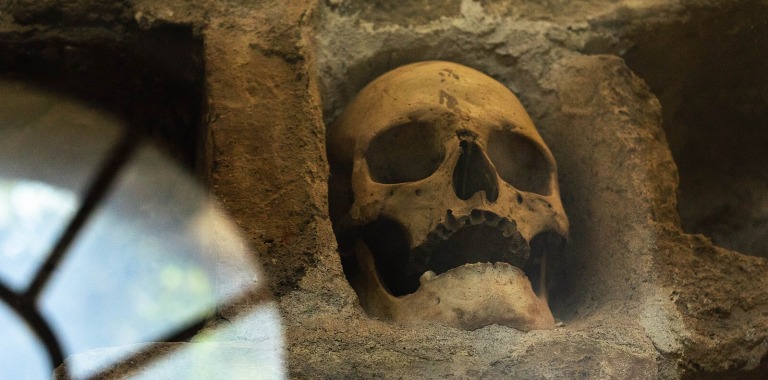
Lepenski Vir, situated beside the Danube in the Đerdap Gorge, preserves evidence of an organised community that flourished between approximately 9500 and 6000 BC. Its distinctive stone sculptures, carefully planned dwellings, and relationship with the river make it one of the most remarkable prehistoric sites in Southeast Europe.
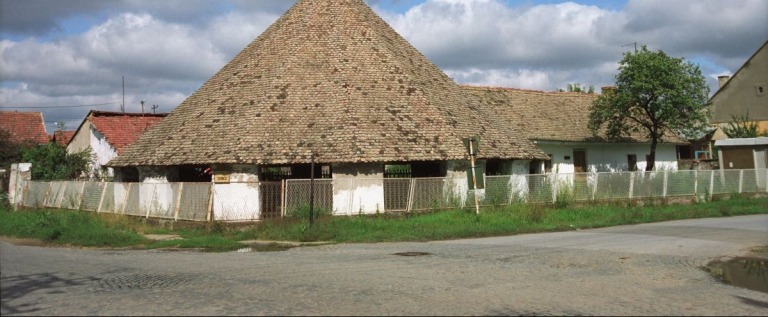
The Starčevo and Vinča cultures followed during the Neolithic period. The Vinča culture, which flourished between approximately 5700 and 4500 BC, is particularly notable for its large settlements, advanced craftsmanship, long-distance exchange networks, and enigmatic symbols.
In later centuries, the region was inhabited by various groups, including Illyrians, Thracians, Dacians, and Celts. The Roman conquest gradually incorporated the area into the empire, transforming it into an important frontier and transport zone.
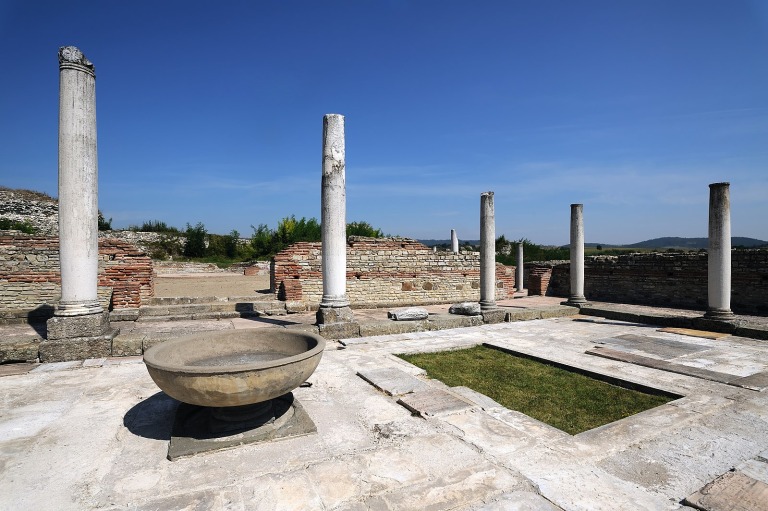
Roman cities, roads, fortifications, and imperial residences were built across the territory. Sirmium, today’s Sremska Mitrovica, became one of the principal cities of the late Roman Empire. Viminacium developed as an important military and urban centre, while Emperor Galerius constructed his palace at Gamzigrad, now known as Felix Romuliana. Mediana near Niš was an imperial residence associated with Constantine the Great.
A remarkable number of Roman emperors were born in the territory of present-day Serbia, reflecting the region’s importance within the empire.
The Arrival of the Slavs and Early Serbian States
During the sixth and seventh centuries, Slavic groups settled across the Balkan Peninsula. Over the following centuries, different political communities developed in the region, influenced by both the Byzantine Empire and the Christian West.
Christianity gradually became established among the Serbs during the early medieval period. The adoption of the new faith connected Serbian lands more closely with the wider Christian world while leaving room for local customs and traditions to develop.
Several early Serbian principalities emerged before the rise of the Nemanjić dynasty in the twelfth century. These states occupied territories that shifted according to alliances, dynastic struggles, and relations with neighbouring powers.
The Nemanjić Dynasty and Medieval Serbia
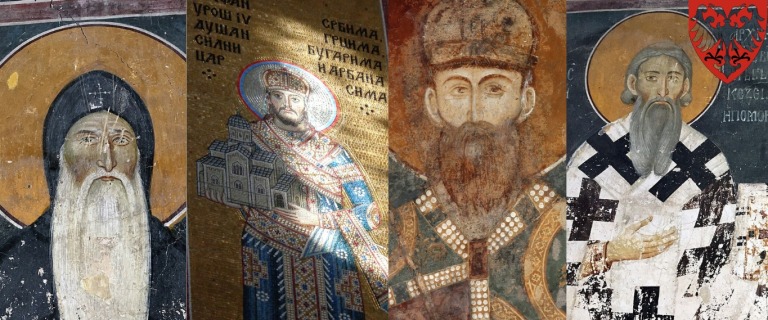
The rise of Stefan Nemanja in the second half of the twelfth century marked the beginning of one of the most influential periods in Serbian history. Under the Nemanjić dynasty, the medieval Serbian state expanded politically, economically, and culturally.
In 1217, Stefan Nemanjić was crowned king, while his brother Sava secured the independence of the Serbian Orthodox Church in 1219 and became its first archbishop. Known today as Saint Sava, he played a central role in the development of Serbian education, religion, law, and cultural identity.
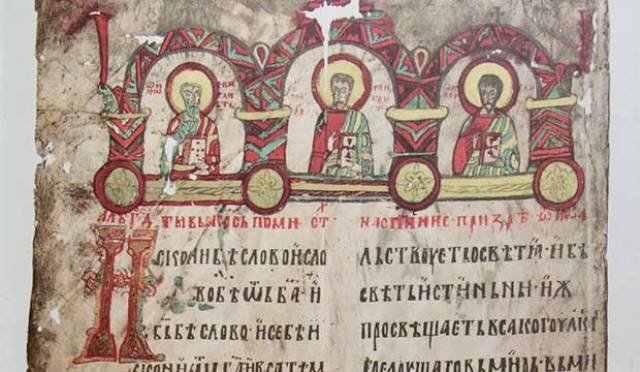
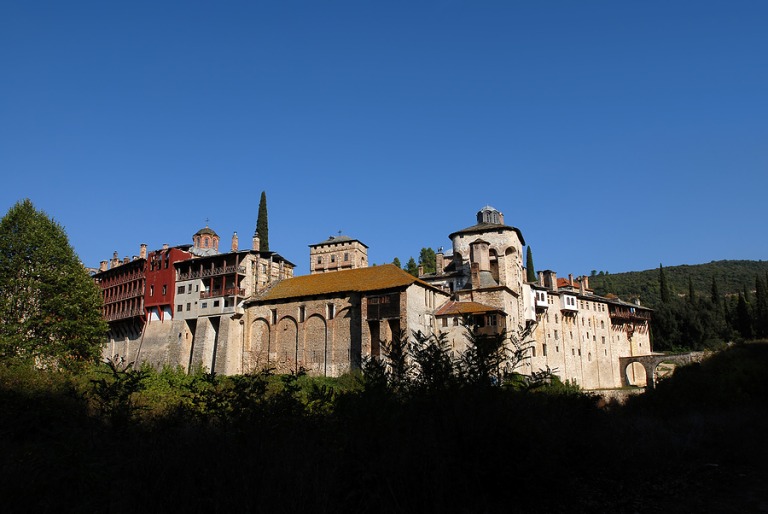
The Nemanjić rulers founded monasteries that became spiritual, artistic, and educational centres. Studenica, Žiča, Sopoćani, Mileševa, Gračanica, and Visoki Dečani preserve some of the most important achievements of Serbian medieval architecture and fresco painting.
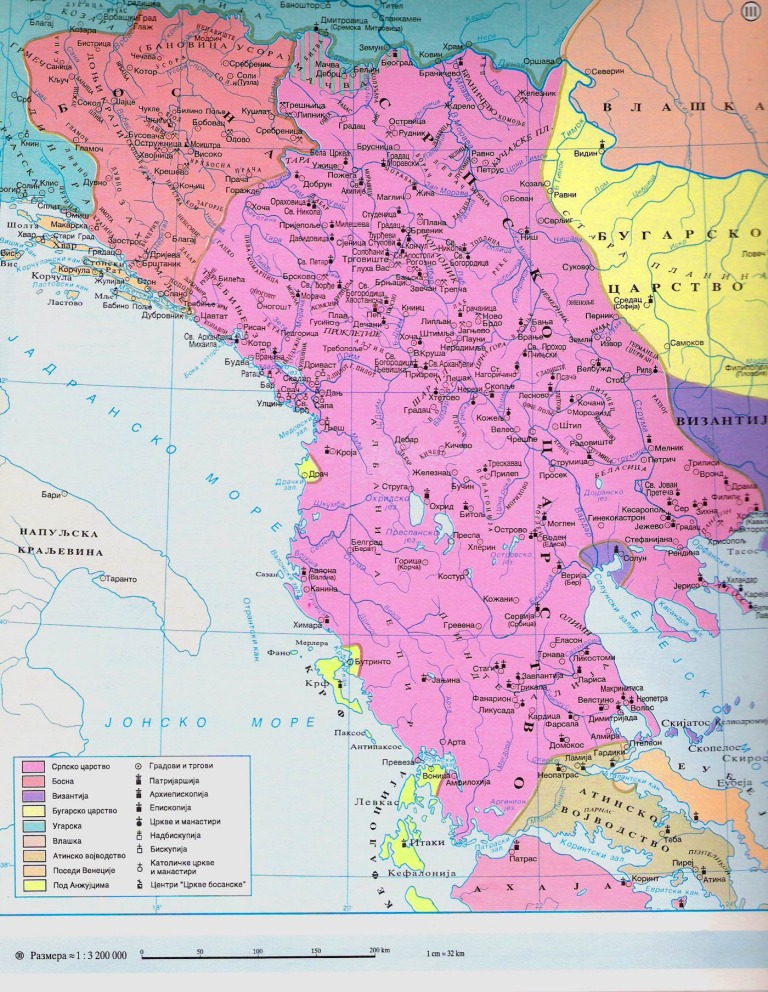
Medieval Serbia reached its greatest territorial extent during the reign of Stefan Dušan. He was crowned emperor in 1346, and his state extended across much of the central Balkans. Dušan’s Code, issued in 1349 and supplemented in 1354, remains one of the most significant legal documents of medieval Southeast Europe.
After Dušan’s death in 1355, the empire gradually fragmented as regional nobles gained greater power.
The Battle of Kosovo and the Serbian Despotate
The Battle of Kosovo took place in 1389 between the forces led by Prince Lazar Hrebeljanović and the Ottoman army commanded by Sultan Murad I. Both rulers were killed, and although the immediate military outcome remains the subject of historical discussion, the battle became a decisive symbol in Serbian history, culture, and collective memory.
Ottoman influence increased during the following decades, but Serbian political life did not end in 1389. The Serbian Despotate emerged in the early fifteenth century under Stefan Lazarević and later Đurađ Branković.
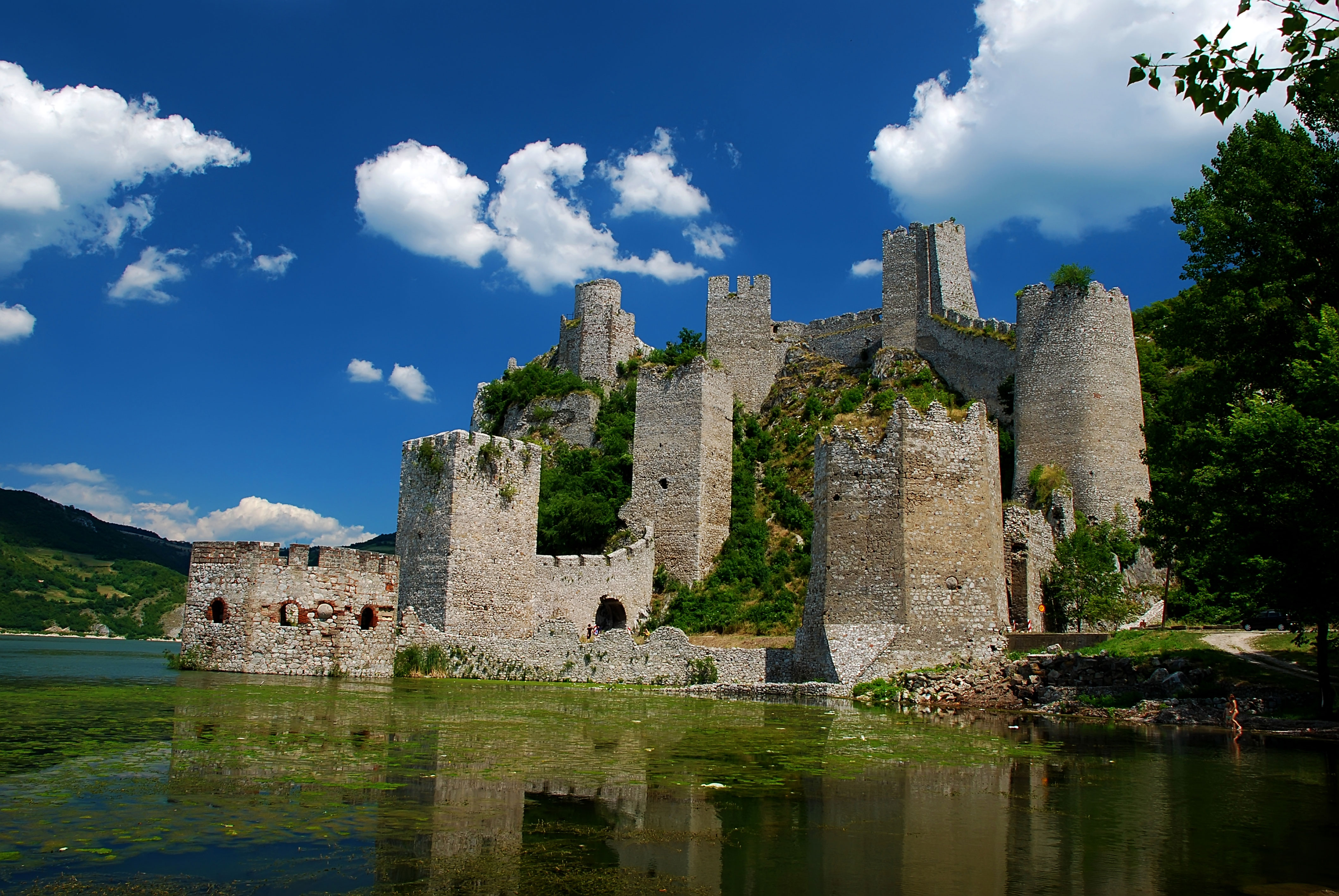
Belgrade became the capital under Stefan Lazarević and developed into an important fortified and cultural centre. After Belgrade returned to Hungarian control, Đurađ Branković constructed a new capital at Smederevo.
The fall of Smederevo in 1459 marked the end of the medieval Serbian state and the beginning of several centuries of Ottoman rule over most of its former territory.
Between the Ottoman and Habsburg Empires
For centuries, the territory of present-day Serbia stood between the Ottoman and Habsburg empires. Their wars repeatedly moved borders, displaced populations, and transformed settlements across the region.
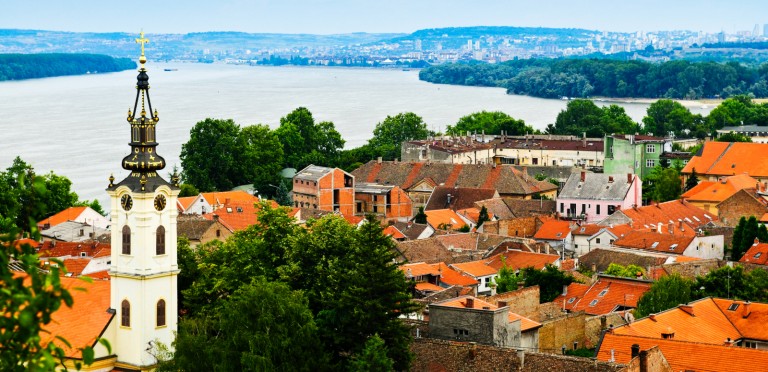
Belgrade changed hands several times and became one of the most contested fortresses on the Danube. Northern areas, including much of present-day Vojvodina, eventually came under Habsburg rule, while central and southern areas largely remained within the Ottoman Empire.
Serbs lived on both sides of the imperial frontier. Many moved north during periods of war, while others served in the Habsburg Military Frontier. Sremski Karlovci developed into an important religious, educational, and cultural centre, while Novi Sad grew as a commercial and urban centre during the eighteenth century.
Ottoman influence remained visible in architecture, food, language, crafts, music, and patterns of urban life. At the same time, monasteries, oral poetry, family traditions, and religious institutions played an important role in preserving cultural memory among the Serbian population.
The Serbian Revolution and Modern Statehood
At the beginning of the nineteenth century, resistance to Ottoman rule developed into a struggle for autonomy and modern statehood.
The First Serbian Uprising began in 1804 under the leadership of Karađorđe Petrović. The rebels established governing institutions, organised an army, opened schools, and gained control over much of the Belgrade Pashalik. The uprising was defeated in 1813, but it created foundations for the modern Serbian state.
The Second Serbian Uprising began in 1815 under Miloš Obrenović. Through a combination of armed resistance, negotiation, and diplomacy, Serbia gradually gained autonomy within the Ottoman Empire.
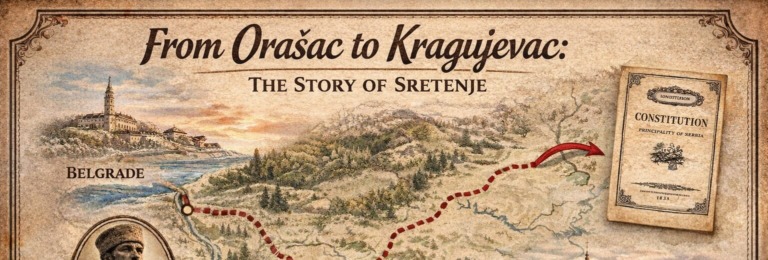
In 1835, the Sretenje Constitution was adopted in Kragujevac. Although it remained in force for only a short time, it represented an important attempt to limit the ruler’s authority and introduce modern constitutional principles.
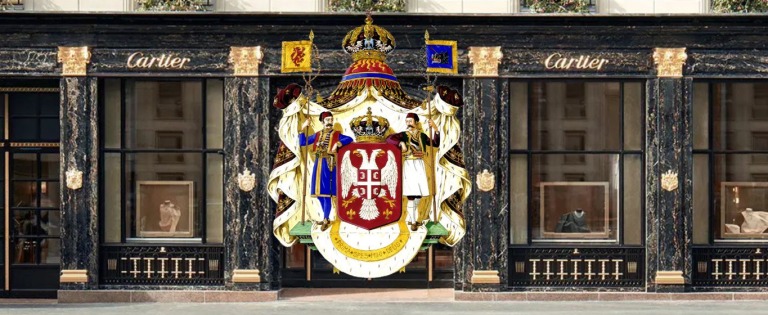
The last Ottoman military garrisons withdrew from Serbian towns in 1867. Serbia gained full international recognition as an independent state at the Congress of Berlin in 1878 and was proclaimed a kingdom in 1882.
The nineteenth century was also a period of rapid institutional and cultural development. Schools, museums, theatres, libraries, government institutions, and modern urban centres transformed the country.
The Balkan Wars and the First World War
Serbia took part in the Balkan Wars of 1912 and 1913, during which the Ottoman Empire lost most of its remaining European territories. These conflicts significantly changed the political map of the Balkans but also created new regional tensions.
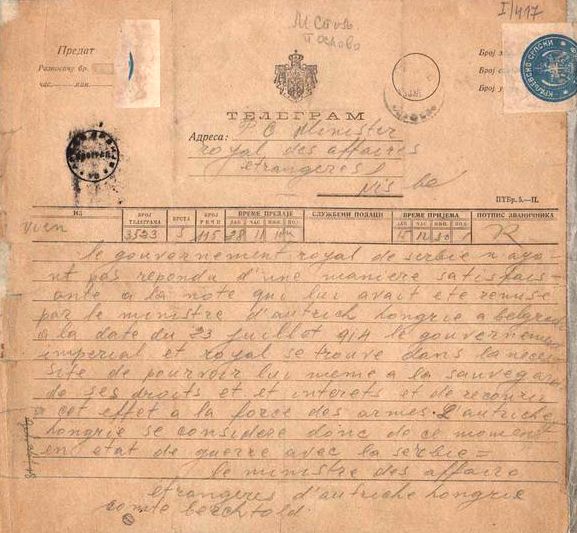
The assassination of Archduke Franz Ferdinand in Sarajevo on 28 June 1914 was followed by an Austro-Hungarian ultimatum to Serbia. Austria-Hungary declared war on Serbia on 28 July, setting in motion the wider system of alliances that led to the First World War.
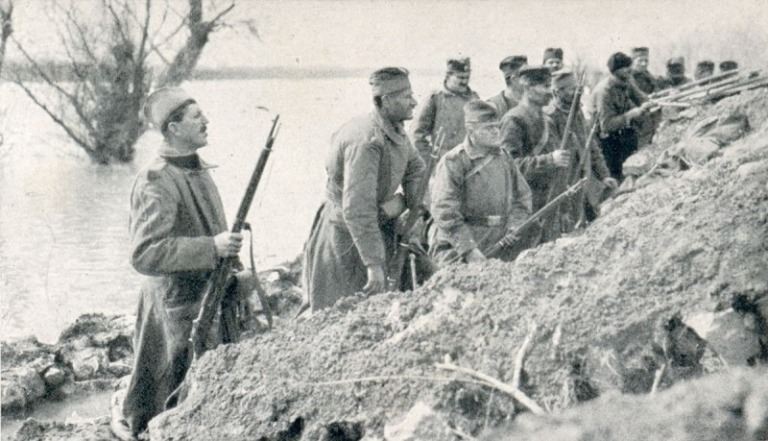
Serbia achieved important early victories at the battles of Cer and Kolubara in 1914. However, a combined invasion by Austria-Hungary, Germany, and Bulgaria in 1915 forced the Serbian army, government, and many civilians to retreat across Albania towards the Adriatic coast.
After reorganisation on Corfu, the Serbian army joined the Allied forces on the Salonica Front. The breakthrough of the front in September 1918 was followed by the liberation of Serbia.
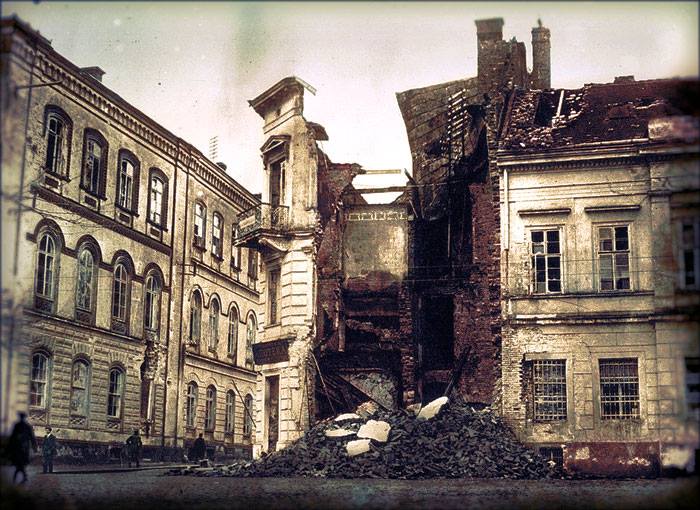
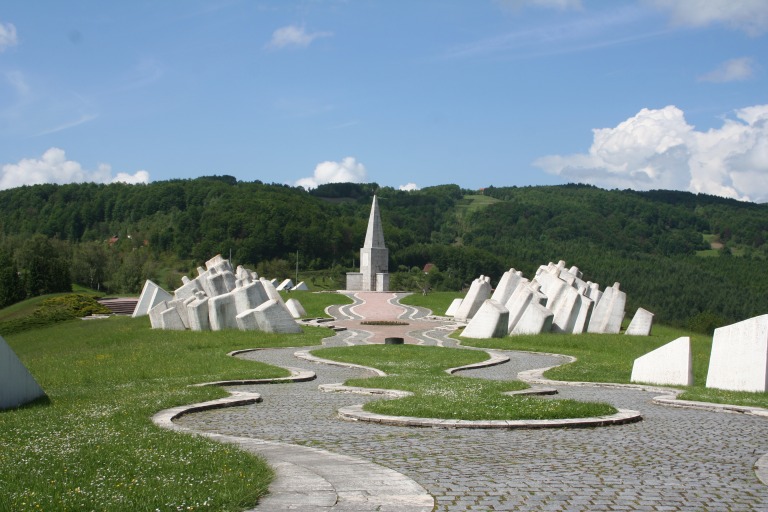
The war brought enormous human and material losses. Its memory remains present in military cemeteries, monuments, museums, and family histories throughout the country.
The Creation of Yugoslavia
On 1 December 1918, the Kingdom of Serbs, Croats and Slovenes was established, bringing Serbia into a larger South Slavic state. The country was renamed the Kingdom of Yugoslavia in 1929.
The new state united regions with different political traditions, religions, economic conditions, and historical experiences. Disagreements over governance, centralisation, and national representation remained among its greatest challenges.
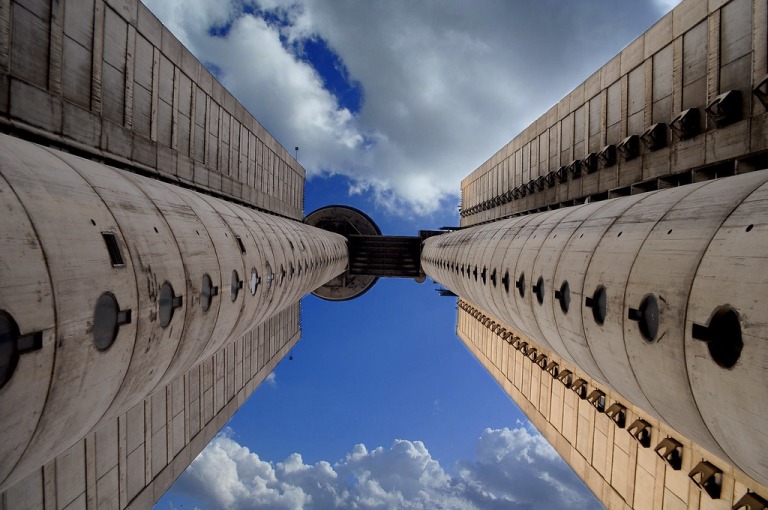
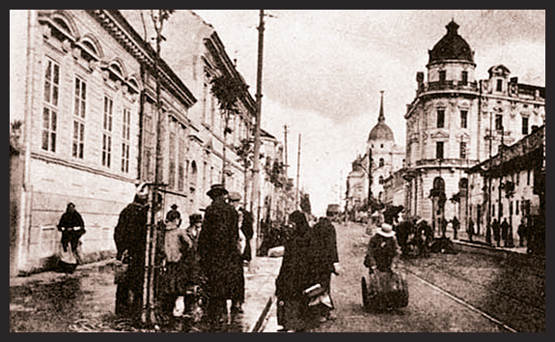
During this period, Belgrade grew rapidly as the capital of the kingdom. New government buildings, residential districts, cultural institutions, and transport links changed the appearance and role of the city.
Serbia and Yugoslavia During the Second World War
The Axis powers invaded Yugoslavia in April 1941. The country was occupied and divided, while Serbia came under German military occupation.
The war brought mass executions, persecution, concentration camps, destruction, and profound civilian suffering. Two principal resistance movements emerged: the royalist Chetniks and the communist-led Partisans. Their struggle against the occupiers was accompanied by a civil conflict over the future political order of the country.
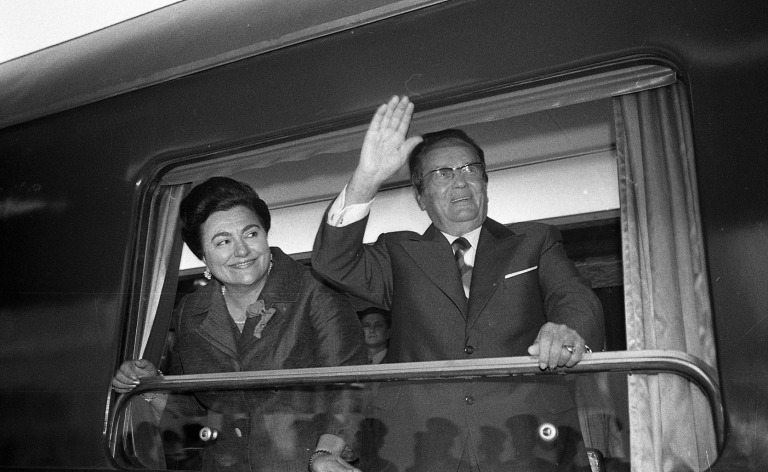
Belgrade was liberated in October 1944 by Yugoslav Partisans and the Soviet Red Army. After the war, the monarchy was abolished, and a socialist Yugoslav federation was established under Josip Broz Tito.
Socialist Yugoslavia
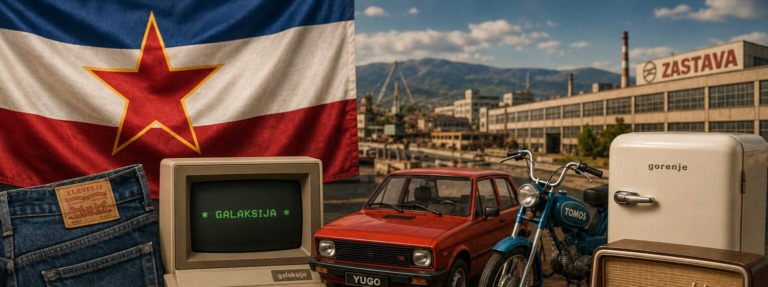
Serbia became one of the six republics of socialist Yugoslavia. The post-war decades brought industrialisation, urbanisation, expanded education, new infrastructure, and significant social change.
Yugoslavia developed its own socialist system and pursued an independent foreign policy after its split with the Soviet Union in 1948. It later became one of the founders of the Non-Aligned Movement.
Belgrade hosted international conferences, cultural events, exhibitions, and visitors from around the world. Many people from rural areas moved to rapidly expanding industrial cities, transforming Serbian society and its urban landscape.
Economic difficulties, political disagreements, and growing nationalism intensified during the 1980s, particularly after Tito’s death in 1980.
From Yugoslavia to Modern Serbia
During the early 1990s, Yugoslavia dissolved amid political crises and wars in Croatia and Bosnia and Herzegovina. Serbia and Montenegro remained together in the Federal Republic of Yugoslavia, established in 1992.
The decade was marked by international sanctions, economic collapse, hyperinflation, political repression, refugee movements, and regional conflict. In 1999, following the conflict in Kosovo, NATO carried out an aerial bombing campaign against the Federal Republic of Yugoslavia.
Mass demonstrations and elections brought political change in October 2000. In 2003, the Federal Republic of Yugoslavia was replaced by the State Union of Serbia and Montenegro.
Montenegro declared independence following a referendum in 2006, and Serbia continued as the independent Republic of Serbia.
Kosovo declared independence in 2008. Serbia does not recognise the declaration, while Kosovo’s status remains disputed internationally.
Contemporary Serbia continues to develop its institutions, economy, international relationships, and cultural life while preserving the visible layers of a history that extends across thousands of years.
Key Dates in Serbian History
c. 9500–6000 BC – The community of Lepenski Vir develops beside the Danube
c. 5700–4500 BC – The Vinča culture flourishes in the central Balkans
1st–4th centuries – Roman cities, military centres, and imperial residences develop across the region
6th–7th centuries – Slavic groups settle in the Balkans
1217 – Stefan Nemanjić is crowned king
1219 – The Serbian Orthodox Church becomes autocephalous
1346 – Stefan Dušan is crowned emperor
1389 – The Battle of Kosovo
1459 – The fall of Smederevo and the end of the medieval Serbian state
1804 – The First Serbian Uprising begins
1815 – The Second Serbian Uprising begins
1835 – The Sretenje Constitution is adopted
1867 – Ottoman military garrisons withdraw from Serbian towns
1878 – Serbia gains international recognition as an independent state
1882 – Serbia becomes a kingdom
1912–1913 – The Balkan Wars
1914–1918 – Serbia participates in the First World War
1918 – The Kingdom of Serbs, Croats and Slovenes is established
1941–1945 – Yugoslavia is occupied during the Second World War
1945 – Socialist Yugoslavia is established
1992 – The Federal Republic of Yugoslavia is formed by Serbia and Montenegro
2000 – Democratic political change follows mass demonstrations and elections
2006 – Serbia continues as an independent republic following Montenegro’s independence