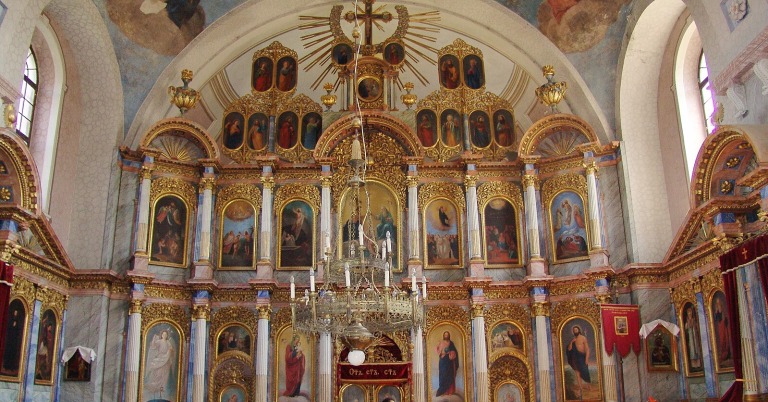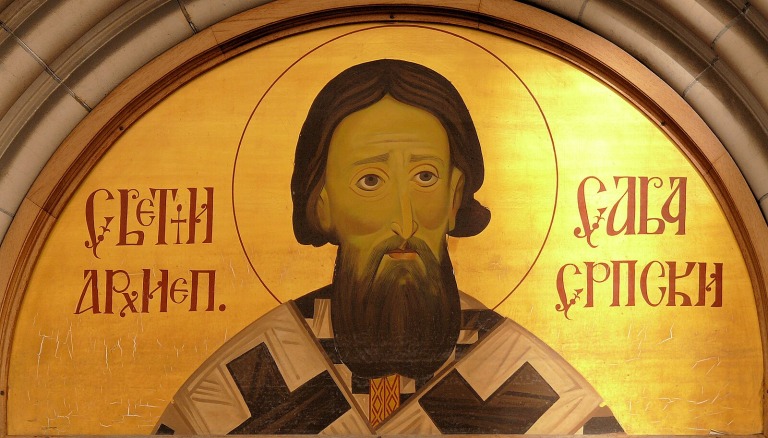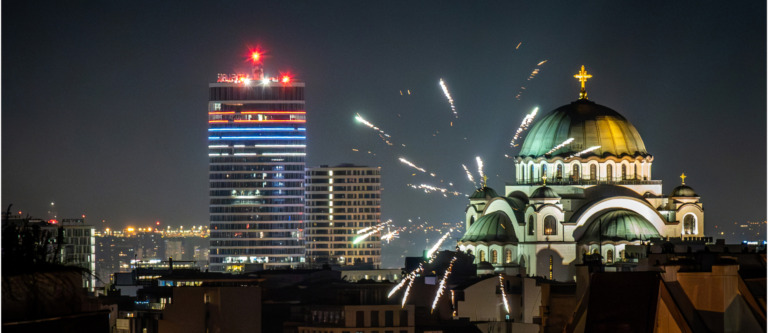
Traditions in Serbia are not confined to museums, historic records, or ceremonial performances. Many remain part of everyday life – practised in family homes, churches, villages, city neighbourhoods, and communities across the country.
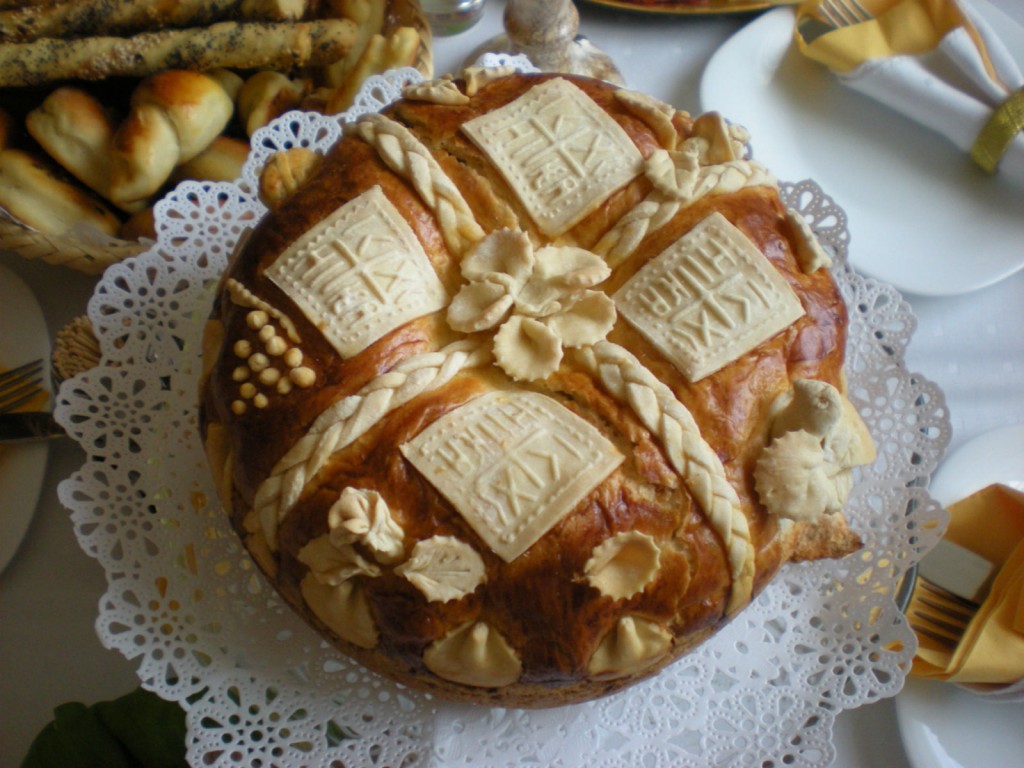
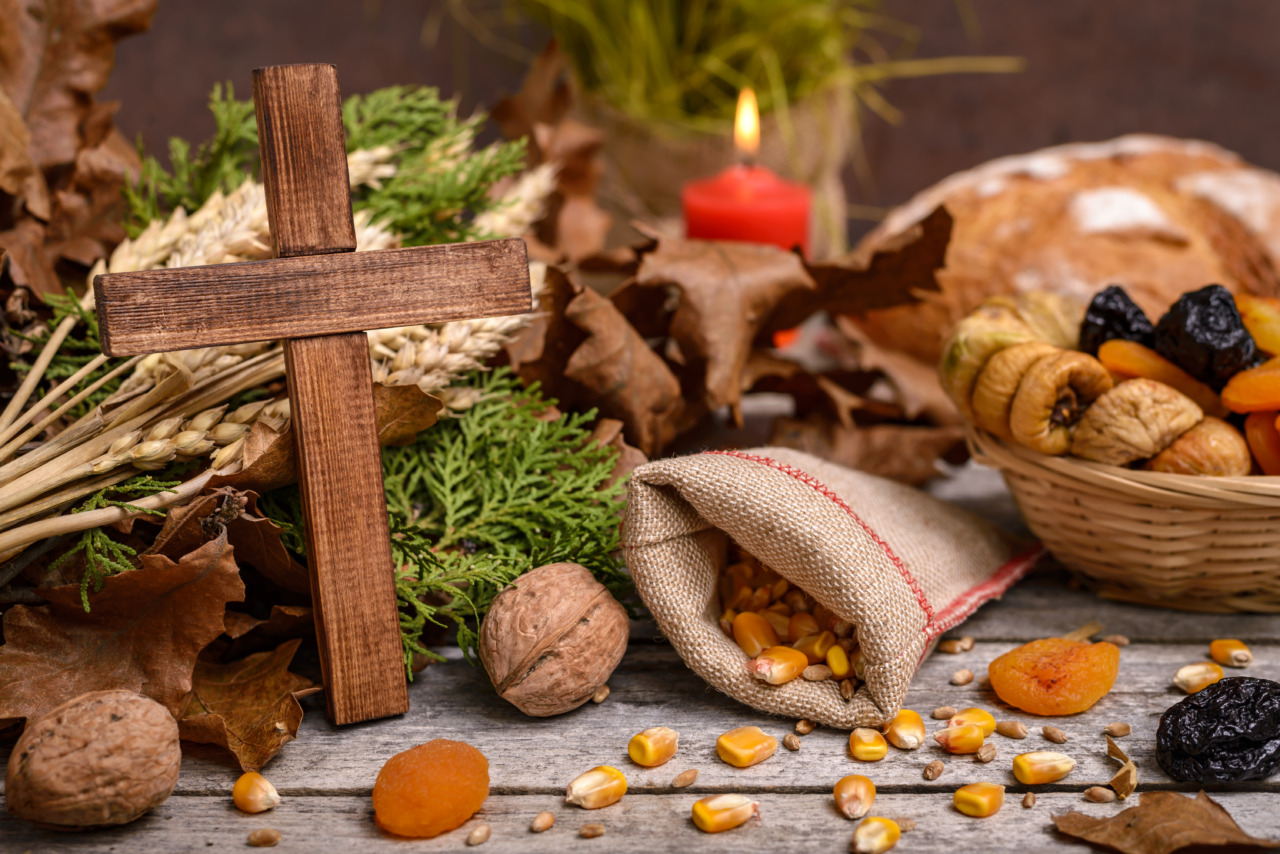
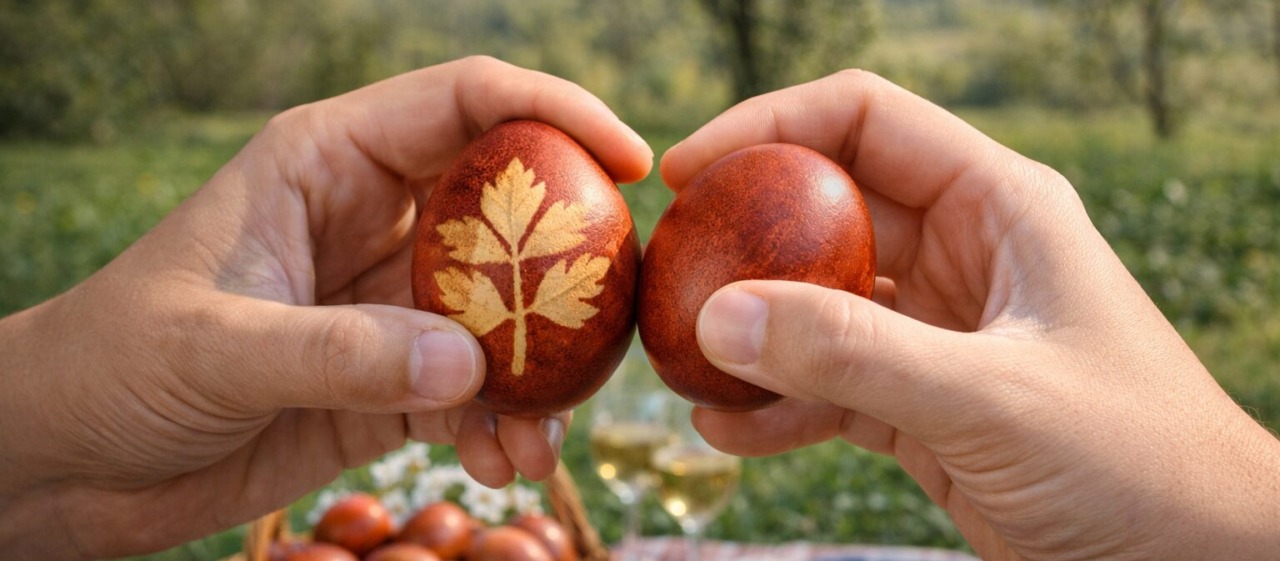
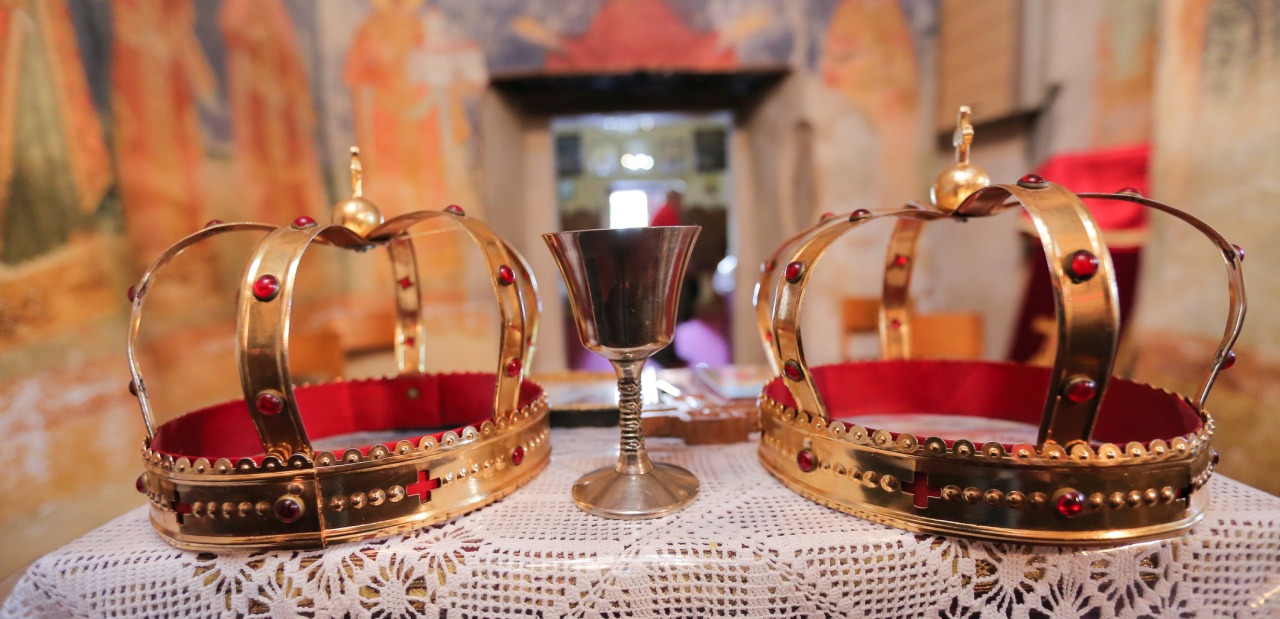
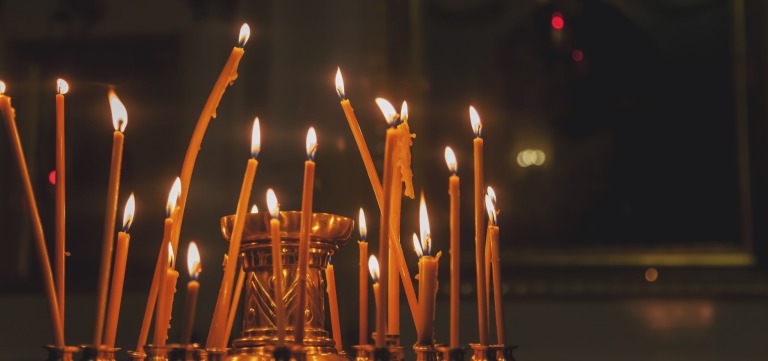
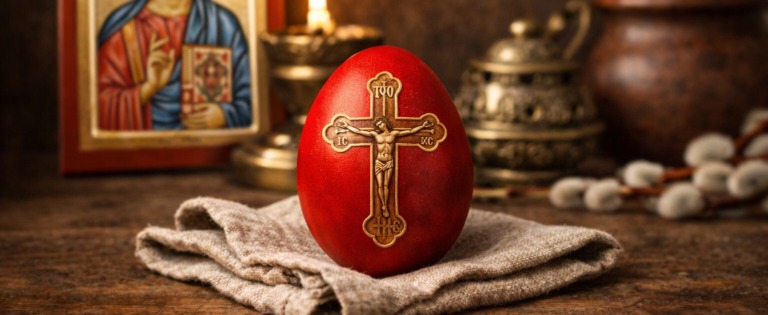
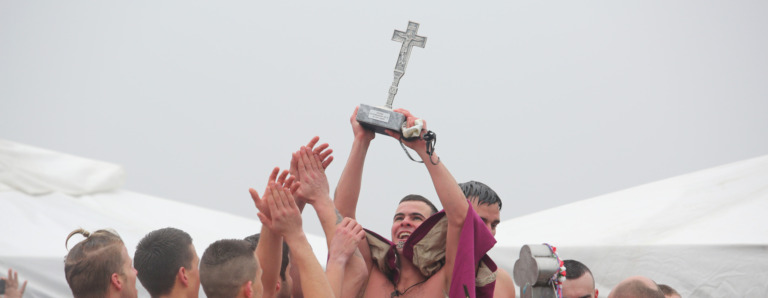
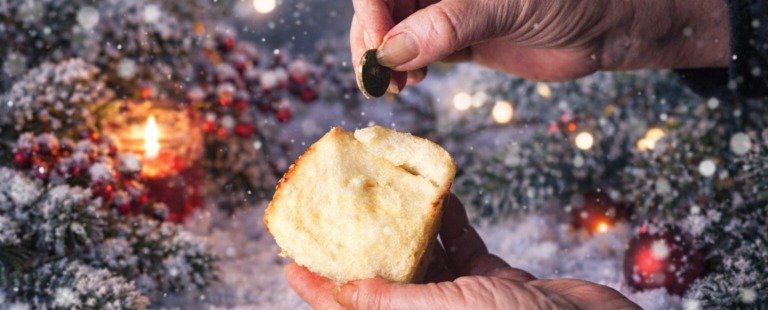
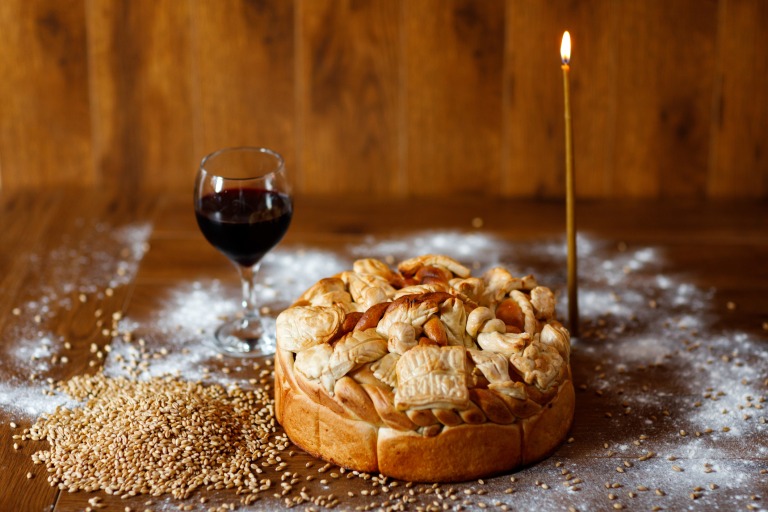
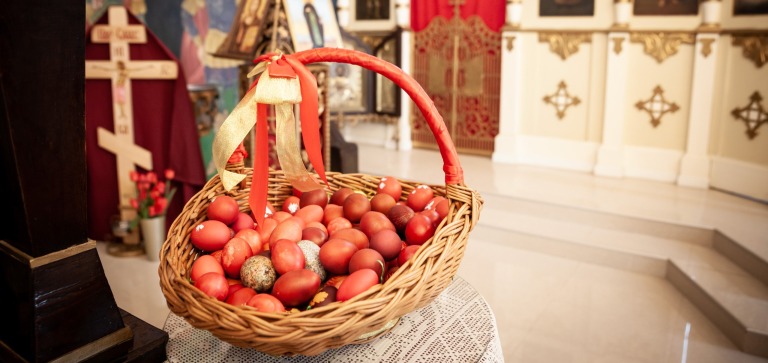
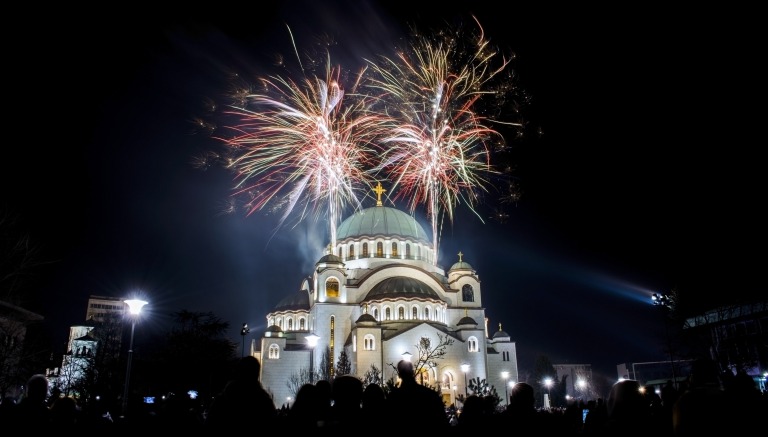
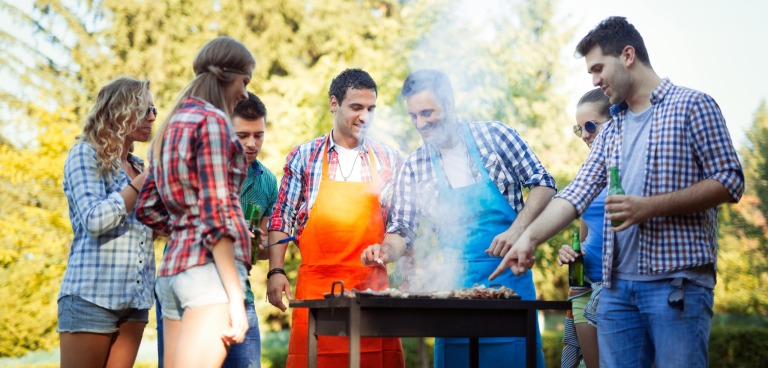
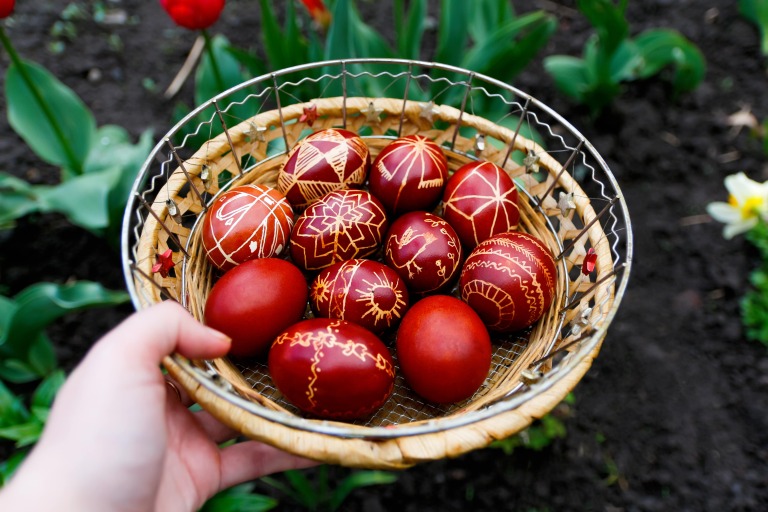
They are most visible during religious holidays, family celebrations, weddings, seasonal gatherings, and important moments in a person’s life. Preparing ritual bread, welcoming guests, gathering around a festive table, lighting a candle for a family patron saint, or following customs inherited from grandparents all express continuity between generations.
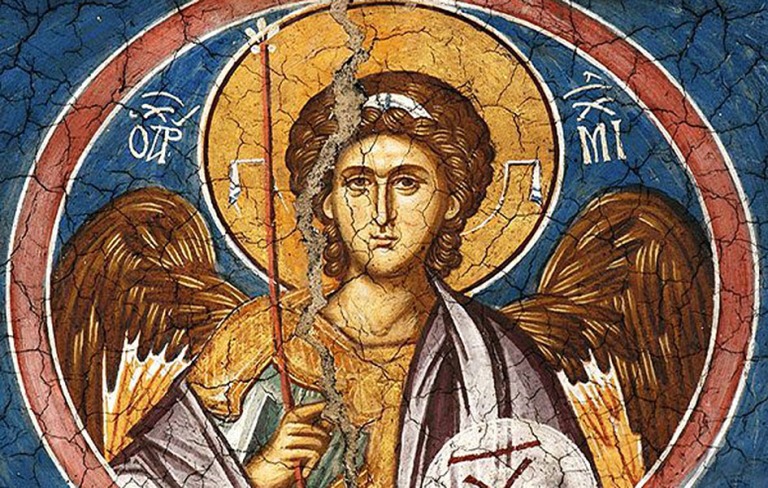
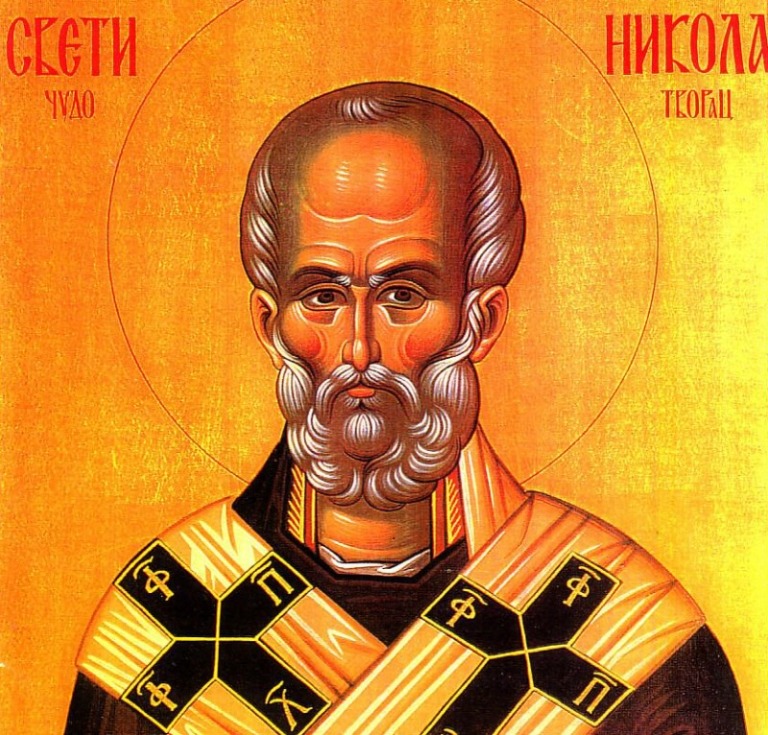
Serbian traditions developed through the meeting of Orthodox Christianity, older Slavic beliefs, regional cultures, rural life, and centuries of contact between different communities. As a result, the same holiday may be celebrated differently from one region or even one family to another.
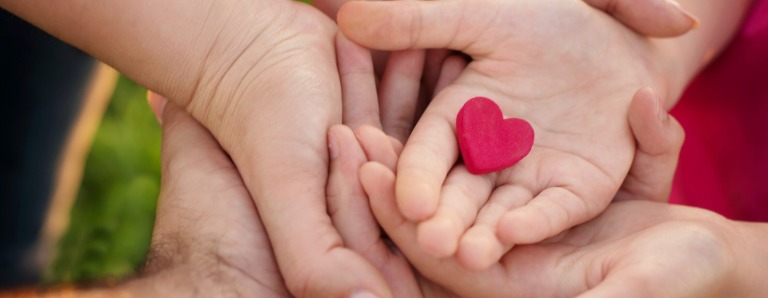
Some customs remain deeply religious, while others have become primarily family or community occasions. Many have adapted to contemporary life without losing their essential meaning: bringing people together, honouring ancestors, welcoming guests, marking the seasons, and strengthening a sense of belonging.