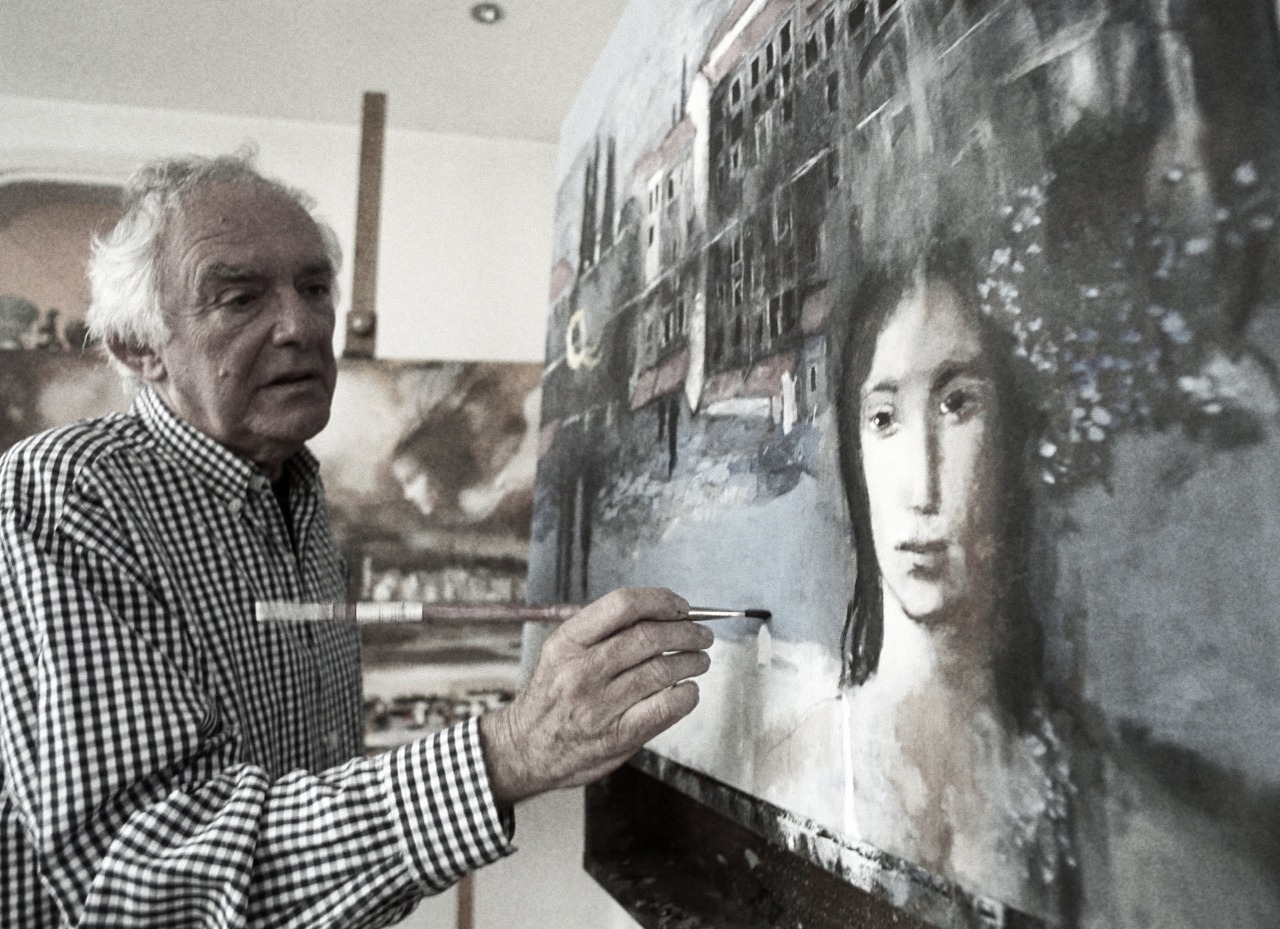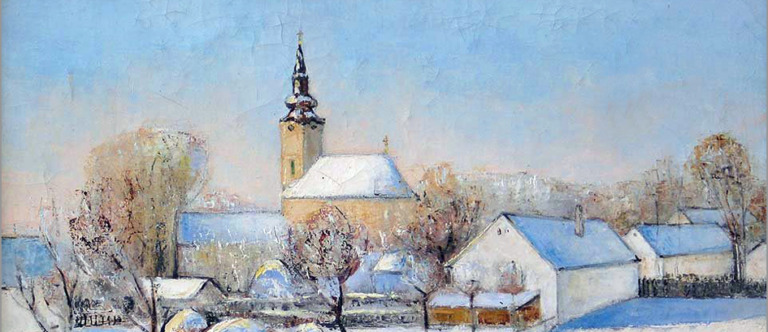


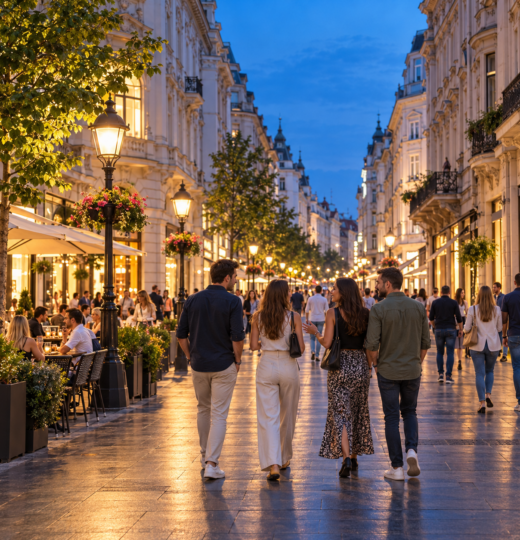


The development of Serbian visual art reflects the country’s broader cultural and historical changes.
During the 18th and 19th centuries, Serbian artists increasingly encountered European academies, artistic movements, and urban cultural centres. Religious painting, portraiture, historical compositions, and representations of national life played important roles in shaping public visual culture.
At the turn of the 20th century, artists began moving away from strict academic conventions. New approaches to colour, form, emotion, and personal expression connected Serbian art with impressionism, expressionism, symbolism, and modernism. Between the world wars, artists explored surrealism, abstraction, social themes, intimate interiors, and changing urban identities. Serbian and Yugoslav art became increasingly connected with international exhibitions and avant-garde movements.
Contemporary art expanded beyond the traditional canvas into photography, conceptual art, installation, video, sculpture, digital media, and performance. Artists such as Marina Abramović placed ideas, the body, time, and direct audience participation at the centre of artistic experience.
This development reveals a culture in constant dialogue with its history – sometimes preserving it, sometimes questioning it, and continually finding new ways to interpret it.